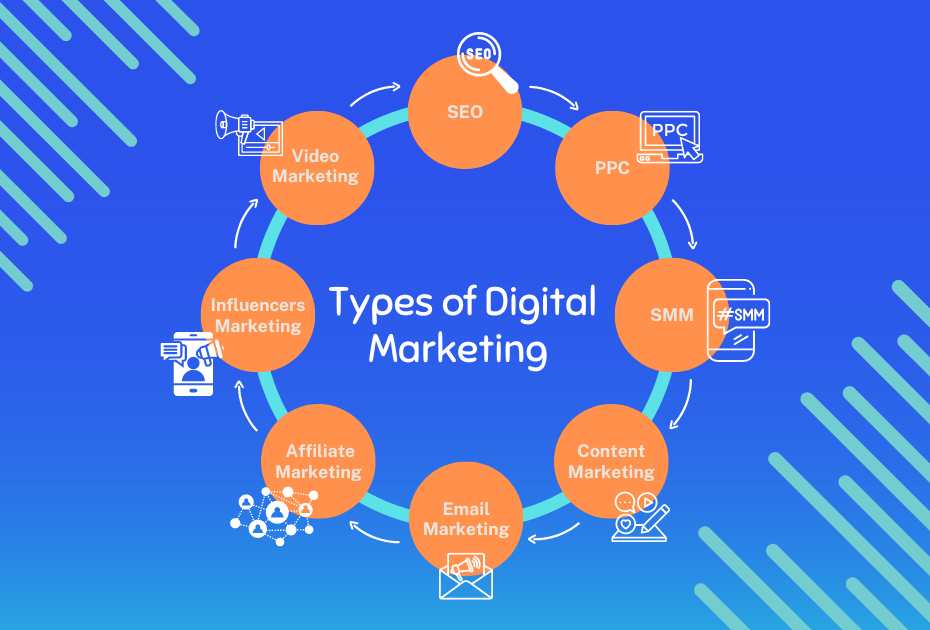

Do you want to optimize your return on investment as a small business? In that case, pay-per-click (PPC) advertising is a great option. PPC campaigns can provide more leads than traditional types of advertising and give your firm targeted attention. However, making the most of your budget might be challenging if you don’t have a clear plan in place. At Volt Virtue, a digital marketing firm, we help small businesses create well-structured PPC strategies that deliver measurable results. In this post, we will discuss why PPC is good for small businesses and how the right approach can drive real growth.
The Vitality of PPC Advertising for Small Businesses
When it comes to marketing and advertising, many small businesses have a number of difficulties when attempting to reach their target market. Small agencies may face competition from larger, more established businesses due to their smaller budgets and limited resources. PPC may be a lifesaver for small businesses looking to increase their online presence by increasing website traffic and, ultimately, sales. Let’s explore the significance of PPC advertising for small businesses and how it can revolutionize their growth.
Quick Traffic and Presence
The instant exposure PPC advertising provides for your brand is one of the primary factors making it crucial for small businesses. Unlike traditional SEO tactics that may take months to show results, PPC advertisements begin bringing traffic to your website right away. For small groups who wish to establish a strong online presence as soon as possible, this instant visibility is crucial.
Ad Which Is Focused
PPC advertising facilitates accurate audience targeting for small enterprises. You can ensure that the appropriate people are seeing your ads at the correct moment by selecting certain demographics and locations. Because it will boost the return on investment by enabling them to be aware of their clients, this degree of focus is especially beneficial for small groups with limited budgets. PPC marketing enables you to adapt your campaigns to your demands and shifting market characteristics, regardless of whether you are targeting local clients or a larger target audience.
Economical Marketing
Every rupee matters to small businesses. Because you only have to pay when someone clicks on your advertisement, PPC advertising is a marketing tactic. This implies that rather than wasting money on impressions that might not result in a sale, your budget is spent on real leads and clients. You have complete control over where and what you spend thanks to PPC services like Google Ads, which may assist you in creating daily or monthly budgets. This flexibility ensures that you may effectively control your advertising expenses while accomplishing your marketing and advertising objectives.
Measurable Outcomes
The biggest benefit of PPC marketing is its real-time tracking and measurement capabilities. You can track the effectiveness of your efforts and take prompt action to make them better with the help of tailored analytics and other widely used reporting tools. Small agencies can see how their advertising budgets are being used and what kind of return they’re seeing thanks to this degree of transparency. Click-through rates, conversion rates, cost per click, and other metrics are all trackable. This strategy ensures that you can keep improving your campaigns for greater outcomes.
Awareness of Products
PPC for small businesses is frequently linked to boosting traffic and conversions, but it also significantly contributes to brand awareness. Customers see your brand name and message at the top of the search results even if they do not click on your advertisement. Customers are more likely to choose your company when they’re ready to buy something because of the increased brand awareness and trust that comes with consistent publicity over time. This enhanced brand awareness could be crucial for small businesses trying to make a name for themselves in a congested industry.
Adaptability and Control
PPC advertising offers you unmatched control and flexibility over your marketing and advertising campaigns. Depending on the needs of your business or the state of the market, you can start or modify your campaigns at any time. Whether you want to target a particular audience, sell a special offer, or introduce a new product, PPC makes it straightforward. This level of management is especially helpful for small organizations that wish to be flexible and adaptable to market shifts.
Competing on Large Companies
Small businesses frequently find it difficult to compete with larger companies that have greater advertising resources. PPC advertising, on the other hand, levels the playing field by enabling smaller firms to show up in search results alongside more established rivals. No matter their size, small agencies can effectively compete for clicks and clients with well-optimized ads and targeted keywords. This democratization of small business web marketing techniques ensures that even the smallest companies may gain traction in their sector.
Managing Local Traffic
PPC marketing is an effective strategy for boosting local site traffic for small businesses that solely depend on local customers. You may make sure that users in your immediate area see your advertisements by using location-based targeting. This is especially advantageous for businesses that have physical storefronts because it can boost foot traffic and sales. Additionally, you may display your business’s location, hours, and contact details on your advertisements with tools like Google My Business integration, which will make it easier for local clients to find and visit your establishment.
Enhancing Additional Marketing Initiatives
Your various advertising campaigns can be enhanced and complemented by PPC advertising. It can offer a variety of insights regarding customer behavior that could help guide your more comprehensive advertising plan. You may develop a unified and effective advertising strategy that produces results across the board by combining PPC with your various marketing and advertising platforms.
Experimentation and Testing
Lastly, PPC advertising provides an excellent platform for experimentation and testing. PPC enables you to conduct controlled experiments and swiftly gather data, whether you’re testing out new goods or services. Small businesses can improve their advertising and marketing strategy by learning what works best for their audience through rapid testing and iteration.
How to Set Up a PPC Ad for Small Companies
Small businesses can boost revenue and swiftly attract clients by launching a PPC (Pay Per Click) campaign. Understanding why PPC is good for small businesses becomes easier when you see how quickly it delivers results. PPC advertisements can begin driving traffic to your website as soon as they go live, in contrast to SEO, which takes time to produce results. However, you need the proper approach and a well-defined plan to get successful outcomes. The easy procedures listed below will assist you in developing a successful PPC campaign.
1. Establish Specific Objectives
Prior to launching your campaign, determine your goals. Increasing phone calls, generating leads, increasing website traffic, or increasing product sales could all be your objectives. A well-defined objective aids in keyword selection, improved ad writing, and accurate success measurement.
2. Go for the Appropriate Platform
Select a platform that appeals to the target demographic. Google advertising is a popular starting point for small businesses because it displays advertising to users who are already looking for similar goods or services. Platforms like Facebook Ads and Instagram advertising are also options if your company is more visually oriented. Select the platform that best suits your company’s needs and clientele.
3. Conduct research on keywords
The terms that individuals enter into search engines are known as keywords. Select keywords that have a strong connection to your goods or services. Instead of using highly general keywords, concentrate on precise and pertinent ones. For instance, use “affordable sports shoes for men” rather than “shoes.” This aids in drawing in clients who are prepared to make a purchase.
4. Create Ads That Are Easy to Understand
Your advertisement copy should be succinct, understandable, and appealing. Emphasize the primary advantage of your offering. Add a compelling call to action, such as “Get a Free Quote,” “Call Today,” or “Buy Now.” Verify that your message is in line with what clients are looking for.
5. Start Small and Develop a Budget
It’s critical for small businesses to carefully manage their budgets. Test your campaign with a modest daily budget at first. Keep an eye on which advertising and keywords work best. After you observe favorable outcomes, you can raise your budget.
6. Make an Effective Landing Page
When someone clicks on your advertisement, they should be taken to a mobile-friendly, quick, and easy-to-use page. The landing page should direct visitors to take action and provide a clear explanation of your product.
7. Monitor and Enhance
Check campaign performance on a regular basis after launch. Ad wording should be changed, if necessary, keywords should be improved, and ineffective advertising should be eliminated. Over time, you can get greater outcomes with continuous development.
Small businesses may develop a successful PPC campaign that generates traffic, leads, and sales by following these easy steps.
Basic PPC Errors to Avoid
If you’re not diligent, even the best PPC strategies can fail. Steer clear of these typical blunders to help your advertising get results without going over budget:
Excessive Keyword Bidding
Excessive expenditure on competing keywords might quickly deplete your funds. Don’t be scared to try lesser bids; instead, concentrate on high-intent keywords at reasonable prices.
Eliminating Negative Terms
Your advertising may show up in unrelated searches if you don’t use negative keywords, which would waste clicks. Adding “cheap” as a negative term, for instance, prevents bargain hunters from clicking on your advertisements if you operate a luxury spa.
Disregarding Mobile Optimization
You risk losing half of your audience if you don’t optimize for mobile. Make sure your landing pages load fast and are responsive on mobile devices.
Inadequate Ad Copy
Copy that is too general or vague won’t catch readers’ attention. To encourage visitors to take the next step, be succinct, precise, and offer a compelling call-to-action.
Not Monitoring Conversions
You can’t gauge what’s effective without tracking. To determine which advertisements are beneficial, set up conversion tracking to keep an eye on actions like sign-ups and sales.
Conclusion
Why PPC is good for small businesses becomes clear when we look at the results it delivers. From instant visibility and targeted advertising to measurable outcomes and budget control, PPC gives small businesses the power to compete in a crowded market. Unlike traditional marketing methods, PPC allows you to reach the right audience at the right time while staying within your budget. This makes it one of the most practical and result-driven digital marketing strategies available today.
Understanding Why PPC is Good for Small Businesses helps business owners make smarter marketing decisions. With proper planning, keyword research, compelling ad copy, and continuous monitoring, PPC can generate quality leads, increase brand awareness, and boost overall sales. When managed correctly, it becomes not just an advertising tool, but a growth engine for small companies looking to expand their online presence and stay ahead of competitors.
If you are ready to grow your business with a well-planned PPC strategy, our team at Volt Virtue a digital marketing firm is here to help.
Contact us today to create a customized PPC campaign that drives real traffic, real leads, and real results for your business.
This blog is written by Pragya Dhakad.