
Every business owner aims to increase sales, but achieving sustainable growth requires a consistent stream of qualified leads. Without a reliable lead generation strategy, many SMEs become overly dependent on a small number of clients, making revenue unpredictable and future planning more challenging. Effective lead generation helps create a steady pipeline of potential customers, providing greater business stability and the confidence to scale with certainty. The good news is that businesses no longer need to rely solely on cold calling or word-of-mouth referrals to generate new opportunities. Modern digital marketing tools make it easier to attract the right audience, capture valuable lead information, and nurture prospects until they are ready to make a purchase.
Whether it’s prospecting platforms, data enrichment tools, landing page builders, chatbots, CRM systems, or marketing automation software, the right combination of tools can streamline your lead generation efforts, improve follow-ups, and ensure potential customers are never overlooked.
In this article, we’ll explore some of the best lead generation tools available, explain how each one supports the sales process, and help you identify the solutions that best fit your business needs. The goal is not to complicate your marketing strategy but to help you build a simple, scalable, and repeatable system for generating high-quality leads and converting them into loyal customers.
Why Is Lead Generation Important for Small Businesses?
A consistent flow of potential customers is essential for the long-term success of any business. No matter how high the quality of your products or services is, achieving steady sales can be difficult without a reliable pipeline of prospects.
Lead generation is the process of attracting people who are genuinely interested in your offerings and encouraging them to share their contact information. These prospects can then be nurtured through targeted marketing and sales efforts until they are ready to become paying customers.
For small businesses, lead generation is particularly important because marketing budgets are often limited. Investing in cost-effective lead generation strategies and tools helps maximise marketing ROI, reach the right audience, and create sustainable business growth without overspending.
What Are Marketing Tools for Small Businesses?
Marketing tools for small businesses are software applications and digital platforms designed to help attract potential customers, promote products or services, and drive business growth more efficiently. These tools simplify various marketing activities, making it easier to generate leads, engage audiences, and measure campaign performance.
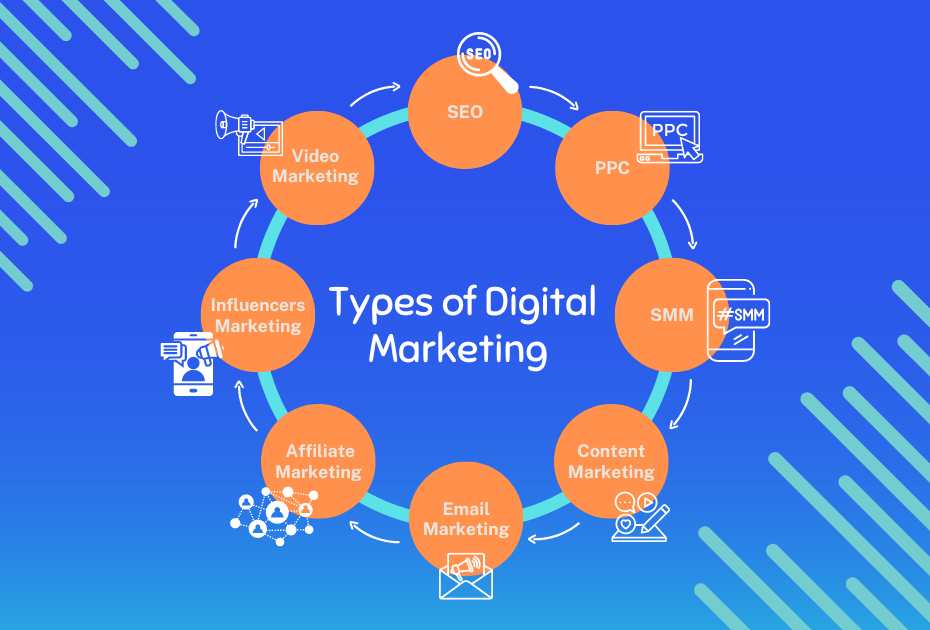
Common examples include social media management platforms, email marketing software, customer relationship management (CRM) systems, website analytics tools, search engine optimisation (SEO) tools, and online advertising platforms. Together, they help businesses manage their marketing efforts from a single, organised workflow.
For small businesses with limited time and resources, marketing tools are invaluable. They automate repetitive tasks, improve customer communication, provide data-driven insights, and enable more targeted marketing campaigns. By leveraging the right tools, businesses can reach the right audience, make informed decisions, maximise their marketing budget, and compete more effectively in an increasingly digital marketplace.
Boost Organic Traffic with SEO Marketing Tools
Search engine optimisation (SEO) tools play a vital role in increasing organic website traffic by helping your business target the keywords your audience is actively searching for. Choosing the right keywords can significantly improve your website’s visibility in search engine results, making it easier for potential customers to discover your business.
For instance, while your team may describe a product as a “help desk solution,” potential customers may be searching for terms such as “customer service tools” or “support software.” The language businesses use internally often differs from the phrases people enter into search engines. SEO marketing tools help uncover these search trends through keyword research, enabling you to optimise your content with the terms your target audience actually uses. As a result, you can attract more qualified visitors, improve search rankings, and increase your chances of converting traffic into customers.
Choosing the right search engine optimisation (SEO) keywords doesn’t have to require a large budget. SEO platforms such as Moz and SEMrush provide valuable insights that can help improve your website’s visibility, attract more organic traffic, and deliver long-term returns. By using these tools strategically, small businesses can strengthen their online presence and achieve measurable SEO improvements.
Here are a few best practices to maximise your SEO performance:
- Monitor Your Domain Authority: Track your website’s domain authority before implementing SEO improvements and use it as a benchmark. Review your score periodically to measure progress and compare your site’s authority with key competitors to identify opportunities for improvement.
- Optimise On-Page SEO: Strengthen your website by optimising title tags, meta descriptions, headings, and content with relevant keywords. Ensure your site has a clear structure, intuitive navigation, and high-quality internal and external links to improve both user experience and search engine rankings.
- Improve Website Speed: Fast-loading, mobile-friendly websites provide a better user experience and are favoured by search engines. Regularly test your site’s performance using website speed analysis tools, identify issues affecting load times, and implement optimisations to improve page speed and overall performance.
By consistently monitoring SEO performance and making data-driven improvements, businesses can increase organic search visibility, attract qualified visitors, and generate more leads without relying solely on paid advertising.
Slack for Team Collaboration and Lead Generation
Effective communication and collaboration are essential for generating and managing leads successfully. Slack is a powerful team collaboration platform that keeps your employees, partners, and clients connected, enabling faster decision-making and smoother project coordination. Whether your team works remotely, in the office, or follows a hybrid model, Slack helps everyone stay aligned and productive.
Some of Slack’s most valuable features for small businesses include:
- Channels: Organise conversations by project, campaign, or department so important information is always easy to find.
- Huddles: Instantly connect with your team through quick audio or video conversations to discuss ideas, resolve issues faster, and minimise unnecessary meetings.
- Scheduled Messages: Prepare and schedule messages to be sent at a later date or time, ensuring seamless communication even when you’re offline.
- Workflows: Automate repetitive tasks, approvals, reminders, and notifications to save time and improve operational efficiency.
By streamlining communication and automating routine processes, Slack enables marketing and sales teams to collaborate more effectively, respond to leads faster, and keep campaigns running smoothly.
Marketing Analytics for Data-Driven Growth
Understanding how your marketing efforts perform is essential for improving results and maximising your return on investment. Marketing analytics tools, such as Google Analytics, provide valuable insights into website traffic, user behaviour, marketing channel performance, and conversions, enabling small businesses to make informed, data-driven decisions that improve marketing effectiveness and drive business growth. By analysing this data, you can optimise your website, refine your marketing strategy, and identify new growth opportunities.
Some of the most valuable reports include:
- Conversion Path Reports: Track the journey visitors take before completing a desired action, such as submitting an enquiry or making a purchase. Understanding the highest-converting paths helps you optimise your website and improve the customer experience.
- Marketing Channel Reports: Measure how different channels such as SEO, paid search, social media, email marketing, and referrals contribute to conversions. This enables you to allocate your marketing budget more effectively by investing in the channels that deliver the best results.
- Funnel Reports: Identify where users abandon the conversion process. Whether visitors leave during checkout or stop at a lead capture form, funnel analysis helps uncover obstacles so you can improve usability and increase conversion rates.
- Cohort Reports: Analyse the behaviour of different groups of users over time. These insights help you understand customer retention, engagement patterns, and the effectiveness of remarketing campaigns, allowing you to develop more targeted marketing strategies.
By regularly reviewing these analytics reports, small businesses can identify what works, eliminate underperforming tactics, and continuously optimise their marketing efforts to generate more leads and drive sustainable business growth.
Email Marketing to Nurture Leads and Customers
Email marketing remains one of the most effective ways to build relationships with prospects and encourage repeat business. According to industry research, the majority of marketers use email as a primary communication channel because it delivers personalised, timely, and cost-effective engagement. However, sending generic emails is rarely enough to capture attention or drive conversions. Success depends on delivering relevant content to the right audience at the right time.
To create more effective email marketing campaigns, consider these best practices:
- Use Behaviour-Based Automation: Trigger emails based on customer actions, such as visiting a pricing page, abandoning a shopping cart, downloading a resource, or leaving a free trial unfinished. Automated emails sent at the right moment are more likely to generate engagement and conversions.
- Collaborate Across Teams: Work with your sales and product teams to identify the customer actions and touchpoints that most often lead to conversions. These insights can help you create targeted email campaigns that guide prospects through the buying journey.
- Develop Personalised Nurture Campaigns: Instead of sending the same message to everyone, segment your audience and tailor your emails based on their interests, browsing behaviour, purchase history, job role, or company size. Personalised content makes your emails more relevant and significantly improves engagement.
- Continuously Optimise Performance: Regularly monitor key metrics such as open rates, click-through rates, and conversions. Test different subject lines, email layouts, calls to action, and messaging to determine which combinations generate the highest engagement and conversion rates among your audience.
When combined with customer data and marketing automation, email marketing becomes a powerful tool for nurturing leads, strengthening customer relationships, and increasing long-term sales. The more relevant and personalised your communication is, the greater your chances of turning prospects into loyal customers.